Treatment Programs
Neuroscience-driven care designed around how the brain actually recovers
Medical Detox
Detox at KWC Rehab lasts 3 to 7 days under continuous physician supervision. Our medical team selects pharmacotherapy based on the specific substance — buprenorphine or methadone for opioid withdrawal, benzodiazepine tapers for alcohol or sedative dependence, and symptom-targeted adjuncts for methamphetamine or polysubstance cases. Vital signs, CIWA or COWS scores, and neurological status are documented on a fixed schedule around the clock.
Detox is not treatment — it is medical stabilization. While withdrawal is managed, our clinical team initiates a comprehensive biopsychosocial assessment to determine which level of ongoing care is appropriate and to begin building the individualized treatment plan that will carry through the rest of the patient's stay.
Residential Treatment
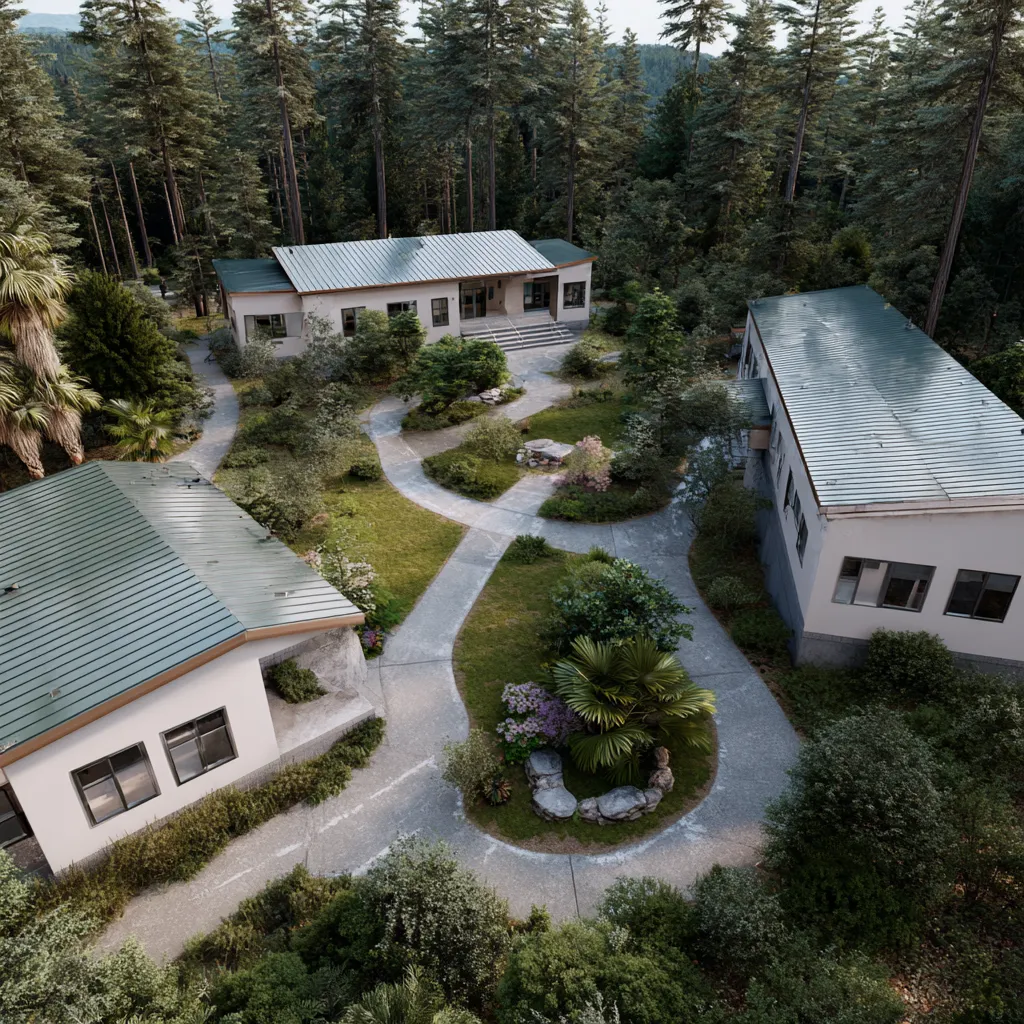
Our 30- to 90-day residential program follows a structured-academic model. Each day begins at 7:00 AM and includes psychoeducation lectures, addiction neuroscience workshops, guided workbook exercises, and both individual and group therapy. This learning-centered approach helps patients understand the biological mechanisms behind their cravings, triggers, and behavioral patterns.
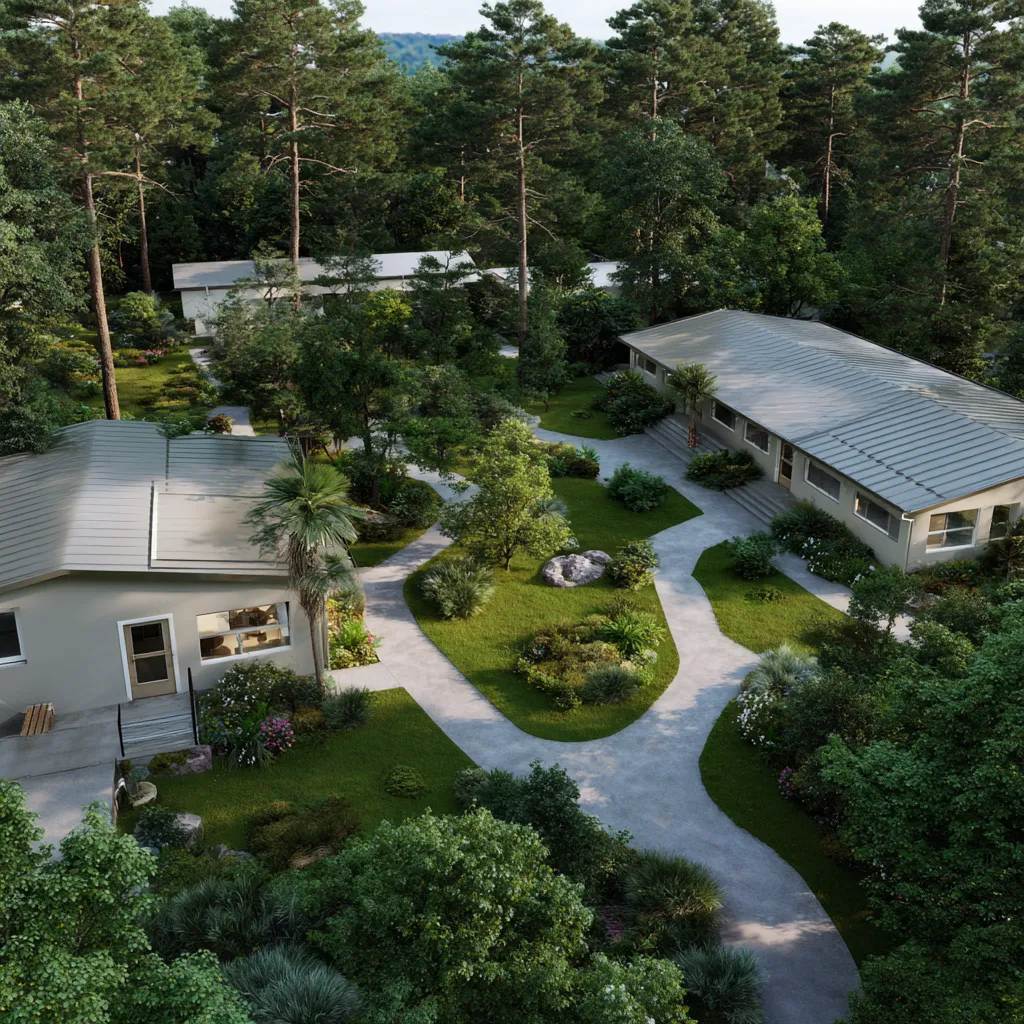
Clinical modalities include Cognitive Behavioral Therapy, Acceptance and Commitment Therapy, music therapy, art therapy, and family therapy. Patients in our 67-bed facility also have access to animal-assisted therapy sessions, desert hiking trails, and a dedicated meditation labyrinth — all within the East Los Angeles area, keeping families close and involved throughout treatment.
Outpatient Program
Our outpatient track is built around the reality that most of our patients live and work in East Los Angeles. Sessions are scheduled in the evenings and on weekends so that treatment does not require giving up employment, education, or daily caregiving responsibilities. The program meets several times per week and includes individual counseling, group therapy, and continued psychoeducation.
The Intensive Outpatient Program (IOP) runs 8 to 12 weeks and is appropriate for patients stepping down from residential care or for those whose initial assessment indicates they can safely recover while living at home. IOP incorporates relapse prevention planning, Acceptance and Commitment Therapy, and access to music therapy and creative arts programming at our facility.
Dual Diagnosis
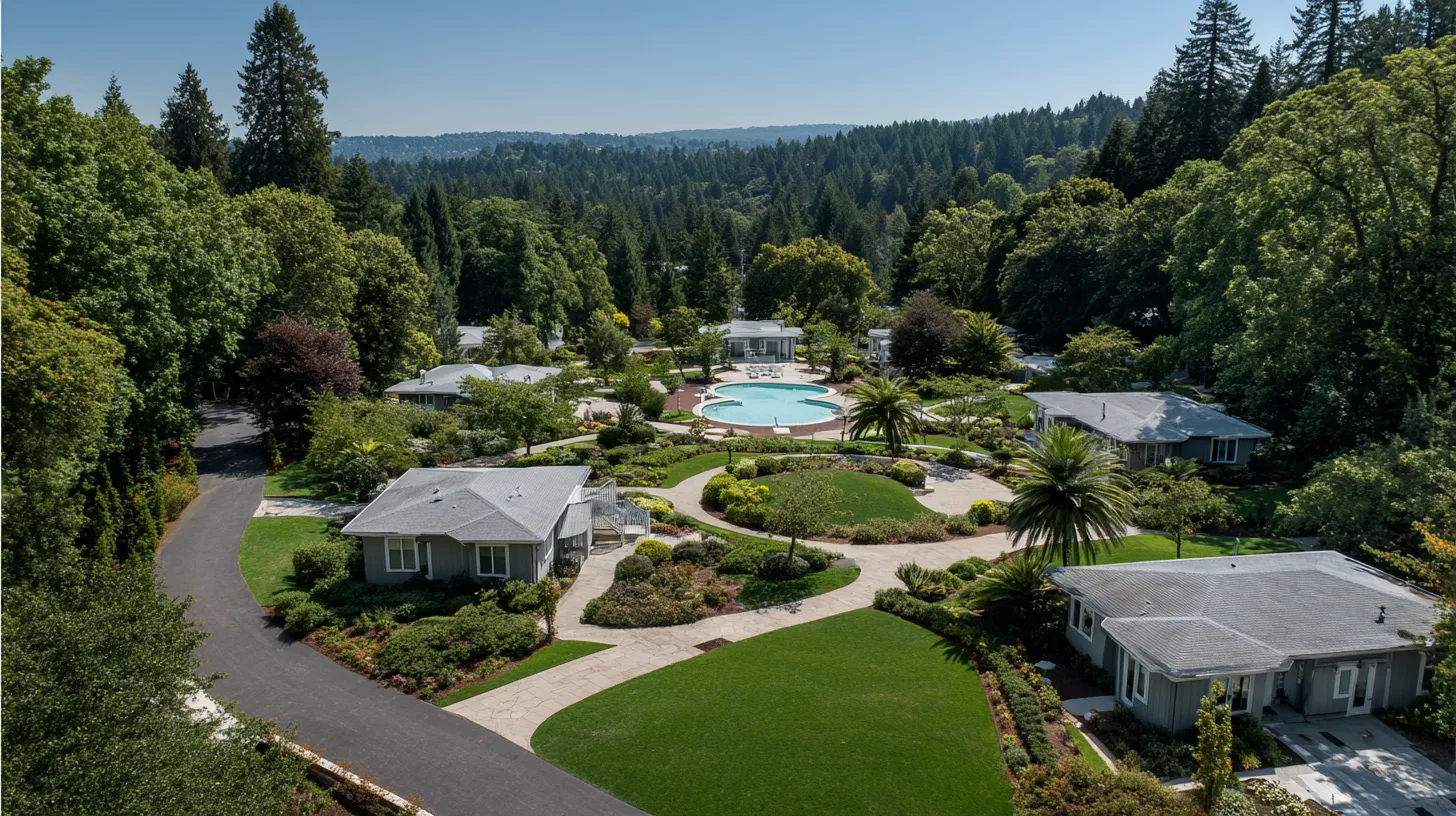
Substance use disorders rarely exist in isolation. Depression, PTSD, generalized anxiety, and bipolar disorder frequently co-occur, and treating addiction without addressing the co-occurring condition produces poor long-term outcomes. Our dual diagnosis track provides integrated psychiatric and addiction care under one clinical team, eliminating the fragmented referral systems that leave patients bouncing between providers.
Our psychiatrists and psychologists collaborate daily to adjust medication regimens, refine therapeutic targets, and monitor progress across both diagnoses. Veterans, first responders, and patients with histories of complex trauma receive specialized assessment protocols designed to identify and treat the full scope of their clinical needs.
Substances We Treat
- Alcohol
- Opioids
- Methamphetamine
- Benzodiazepines
- Barbiturates
- Prescription Opioids
- Synthetic Cannabinoids (K2/Spice)
- Hallucinogens
- Inhalants
- Marijuana
Treatment Modalities
- Cognitive Behavioral Therapy (CBT)
- Individual Counseling
- Group Therapy
- Acceptance and Commitment Therapy (ACT)
- Music Therapy
- Family Therapy
- Art Therapy
A Day in Treatment
Wake-up, vitals check, and morning hygiene
Breakfast — gourmet meals prepared by our culinary staff
Psychoeducation lecture: Addiction neuroscience, pharmacology, or behavioral patterns
Workbook exercises — applying lecture concepts to personal recovery plans
Individual counseling session or psychiatric consultation
Lunch and structured free time
Addiction science workshop: Trigger mapping, craving physiology, or relapse neurobiology
Group therapy — CBT or ACT-based process group
Expressive therapy: Music therapy, art therapy, or meditation labyrinth
Physical wellness — desert hiking trails, sauna, or animal-assisted therapy
Dinner
Peer study group — review of daily lecture material and discussion
Journaling and evening wind-down at the outdoor fire pit
Lights out
The Right Level of Care, Close to Home
Our clinical team will assess your needs and recommend the program that fits your situation.